Run the Martech Stack Lifecycle Outside-In
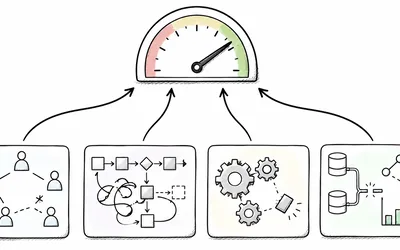
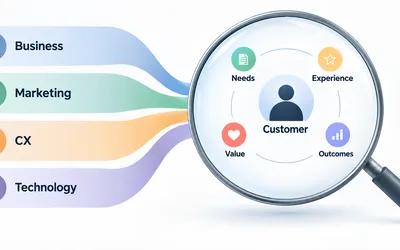
Most teams run the martech stack lifecycle as a line of purchases. Run it outside-in, around the customer and the operator, and stack optimization changes.

Most teams run the martech stack lifecycle as a line of purchases. Run it outside-in, around the customer and the operator, and stack optimization changes.
The Marketing Technology Transformation framework finds out why your martech underperforms, then closes that gap. How it differs from digital transformation.
Martech tools get bought to fill category slots, then go unused. Hiring your martech stack for defined jobs closes the gap between buying and results.
Before you approve a testing tool, check the habits that make marketing tests trustworthy: a ranked list of ideas, enough traffic, and rules set up front.
Martech benchmarks measure spend, tools, and utilization, but none measures whether your team can operate the stack. Here's what the numbers can't see.
AI made building your own marketing tools nearly free. The cost that lands later is ownership, and most teams approve the build without pricing it.
Martech tools usually fail after you buy them because the real constraint was never diagnosed. Here's how to test your stack before you replace it.
The real warning signs of martech vendor dependency aren't in the contract. They're in your operating model, and they show up a year before the stack fails.
The martech implementation gap is the work a vendor demo hides: integration, data, and adoption that lands on you after you buy. Here's how to price it first.