A QBR is a recurring meeting between a vendor and customer to review platform performance, feature adoption, and business outcomes. The vendor’s opportunity to demonstrate value; the customer’s opportunity to ask harder questions.
Vendors run QBRs. That sentence matters because it shapes what the meeting becomes. The vendor controls the agenda, the data, and the narrative. A well-run QBR presents usage metrics , highlights wins, introduces upcoming features, and positions the relationship for renewal . A typical one does all of that without ever surfacing the capabilities the customer is paying for and not using.
The information asymmetry problem
The vendor knows exactly how much of the platform you are using. They have the telemetry. They can see which features are active, which integrations are firing, and which modules have never been configured. Whether they share that picture candidly depends on how the incentives align.
Before a renewal, the incentive is to emphasize value delivered. After a renewal, the incentive shifts to driving adoption of features that justify the next renewal. Neither incentive naturally produces an honest accounting of what is working, what is not, and what the customer should consider dropping.
Flipping the dynamic
The most productive QBRs happen when the customer comes prepared with their own usage data, a list of underused features, and specific questions about activation gaps. This shifts the meeting from a vendor presentation to a working session. The vendor’s customer success team often has practical answers about why a feature is underperforming; they need a customer who asks.
Frequently Asked Questions
Who should attend a martech QBR?
How do you make a QBR useful instead of performative?
Go deeper

Outcome-Based Pricing: What If You Only Paid When Martech Delivered?
Outcome-based pricing could transform how you buy martech. Here's where AI pricing models already work, what's blocking core platforms, and what to do Monday morning.
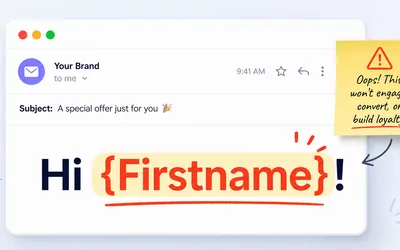
Why Personalization Fails: The Consumer Promise Was Always Wrong and Your Stack Made It Worse
Gartner research shows personalization harms 53% of customers. Cart abandonment hasn't budged in five years. 70% of CMOs admit they can't scale it. Here's what the data says about the consumer promise, the execution reality, and what would work instead.