A marketing automation platform is software that automates repetitive marketing tasks like email campaigns, lead scoring, and nurture workflows so teams can run programs at scale without manual execution.
A marketing automation platform handles the work that marketers used to do manually: sending a follow-up email three days after a download, moving a lead from one nurture track to another when they hit a score threshold, alerting sales when a prospect visits the pricing page.
The core capabilities are email campaign management, lead scoring , workflow automation , form and landing page creation, and CRM synchronization. Most platforms also include basic reporting, A/B testing, and segmentation .
It automates tasks, not marketing
Marketing automation does not automate marketing. It automates email workflows and lead management tasks. The name oversells what the tool does. Strategy, messaging, audience insight, and creative are still human work. Teams that expect the platform to “do marketing for them” end up with sophisticated spam infrastructure.
The second common failure is building workflows nobody maintains. A nurture sequence built in 2022 that still runs in 2026 with outdated messaging and broken links is worse than no automation at all. Automation scales whatever you feed it, including neglect.
When it works
Marketing automation earns its cost when three conditions are met: the sales cycle is long enough to warrant nurturing, the volume of leads justifies automation over manual outreach, and someone owns the workflows after launch. Without ongoing governance, every MAP eventually becomes a graveyard of abandoned campaigns.
Frequently Asked Questions
How is a MAP different from an email marketing platform?
Do small companies need marketing automation?
Go deeper
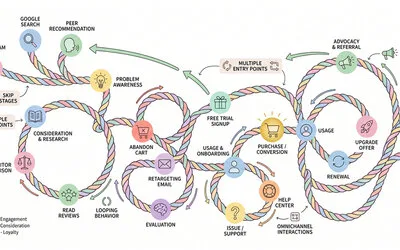
Stop Configuring Your Martech Stack for Buyers Who No Longer Exist
Your martech is configured for buyer journeys that disappeared years ago. How to reconfigure scoring, nurture, content, and attribution around real behavior.

Integration Is Not Orchestration: The Missing Layer in Marketing AI
Marketing orchestration requires more than martech integration. Learn why connected tools still fail at campaign orchestration and how marketing and IT can co-build the missing layer.