A commerce platform is software that powers online buying and selling, handling product catalogs, shopping carts, checkout, payment processing, and order management.
A commerce platform manages the transactional side of digital business: product catalogs, pricing, inventory, cart management, checkout, payment processing, and order fulfillment. The category ranges from all-in-one hosted platforms to modular, API-first architectures that separate the commerce engine from the storefront.
The architecture split
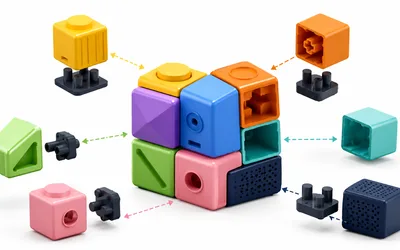
The same architectural divide that hit CMS platforms hit commerce. Monolithic platforms (traditional all-in-one solutions) handle everything from product pages to checkout in a single system. Headless commerce platforms expose commerce functionality through APIs, letting the front-end team build the shopping experience with any technology while the commerce engine handles pricing, cart, and transaction logic independently.
Choosing by storefront, failing at operations
Teams choose a commerce platform based on storefront features when the harder problems are operational: order management across channels, inventory synchronization, pricing rules that vary by customer segment or geography, and returns processing. The checkout page is the visible tip. Everything behind it determines whether commerce operations scale.
Commerce as a layer
Commerce is no longer a separate destination. It is becoming a capability embedded in content, social channels, messaging, and in-app experiences. That shift matters for architecture: the commerce platform needs to function as an API-accessible service, not a monolithic storefront, so transactional capability can surface wherever the customer is.
Frequently Asked Questions
What is the difference between a commerce platform and a marketplace?
Do B2B companies need a commerce platform?
Go deeper
Marketing Orchestration Is the Job No One Owns. Composable Stalls Without It.
Composable projects rarely fail on the technology. They fail on marketing orchestration: no one owns what the unified stack decides. Here is the org-chart fix.