What Is Marketing Technology Transformation?
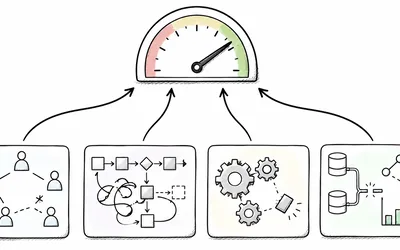
The Marketing Technology Transformation framework finds out why your martech underperforms, then closes that gap. How it differs from digital transformation.

The Marketing Technology Transformation framework finds out why your martech underperforms, then closes that gap. How it differs from digital transformation.
AI made building your own marketing tools nearly free. The cost that lands later is ownership, and most teams approve the build without pricing it.
Martech benchmarks measure spend, tools, and utilization, but none measures whether your team can operate the stack. Here's what the numbers can't see.
Martech stack optimization done right fixes outcomes, not the invoice alone. Reassign ownership and reconfigure what you own before you cut or consolidate.
The martech implementation gap is the work a vendor demo hides: integration, data, and adoption that lands on you after you buy. Here's how to price it first.
The real warning signs of martech vendor dependency aren't in the contract. They're in your operating model, and they show up a year before the stack fails.
Martech tools usually fail after you buy them because the real constraint was never diagnosed. Here's how to test your stack before you replace it.
Martech stack optimization starts with diagnosis, not a new platform. The assess-first sequence for a martech stack that isn't delivering.
A one-person marketing department assumes one human can check everything AI produces. The real limit is how much they can review, not how good their taste is.