Run a Software Proof of Concept Before You Buy More From Your Current Vendor
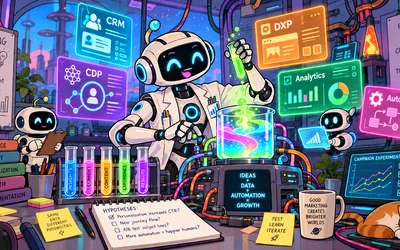
A software proof of concept on your own data is the step most martech upgrades skip. How to test an add-on or tier upgrade before the SaaS renewal locks in.

A software proof of concept on your own data is the step most martech upgrades skip. How to test an add-on or tier upgrade before the SaaS renewal locks in.
A voice of the customer program fails when feedback has no owner. Fix your customer feedback loop in order, before an AI CX agent repeats the same problems.
AI visibility tools report what AI assistants say about your brand. Here's where that AI brand visibility comes from, and what's worth paying for instead.
AI pricing per token fell 41% in 2026, yet AI bills keep climbing. How to budget renewals around billing units, usage, and credit-based pricing terms.
AI agent deployment takes minutes because the agent copies your existing setup. Here's where AI agent implementation time goes, and when to start the clock.
AI guardrails written as instructions kept failing in my tests. AI agent guardrails enforced by a script stopped the failures. Here's what I found.
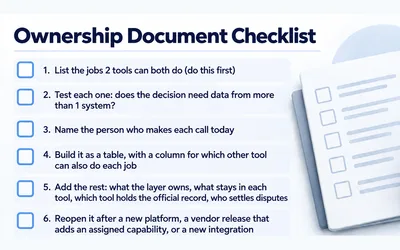
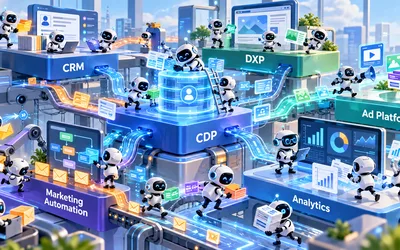
Martech orchestration breaks where 2 tools can run the same job. Here's how to document what your orchestration layer owns and what stays in your tools.
Agent sprawl in marketing comes from AI agents built into tools you already own, switched on by your own admin with no purchase for procurement to review.
Vendor lock-in lands on whatever sits at the center of your martech stack. How to find that system, and the data portability terms to demand before you sign.